Plan a batch

Keeping papers

How long to keep papers

Ley 962 de 2005, article 28, says a merchant keeps its books and business papers for ten years from the date of the last entry, document or voucher, on paper or in any technical, magnetic or electronic medium that guarantees exact reproduction. The same term applies to non-merchants who are legally obliged to keep this information.

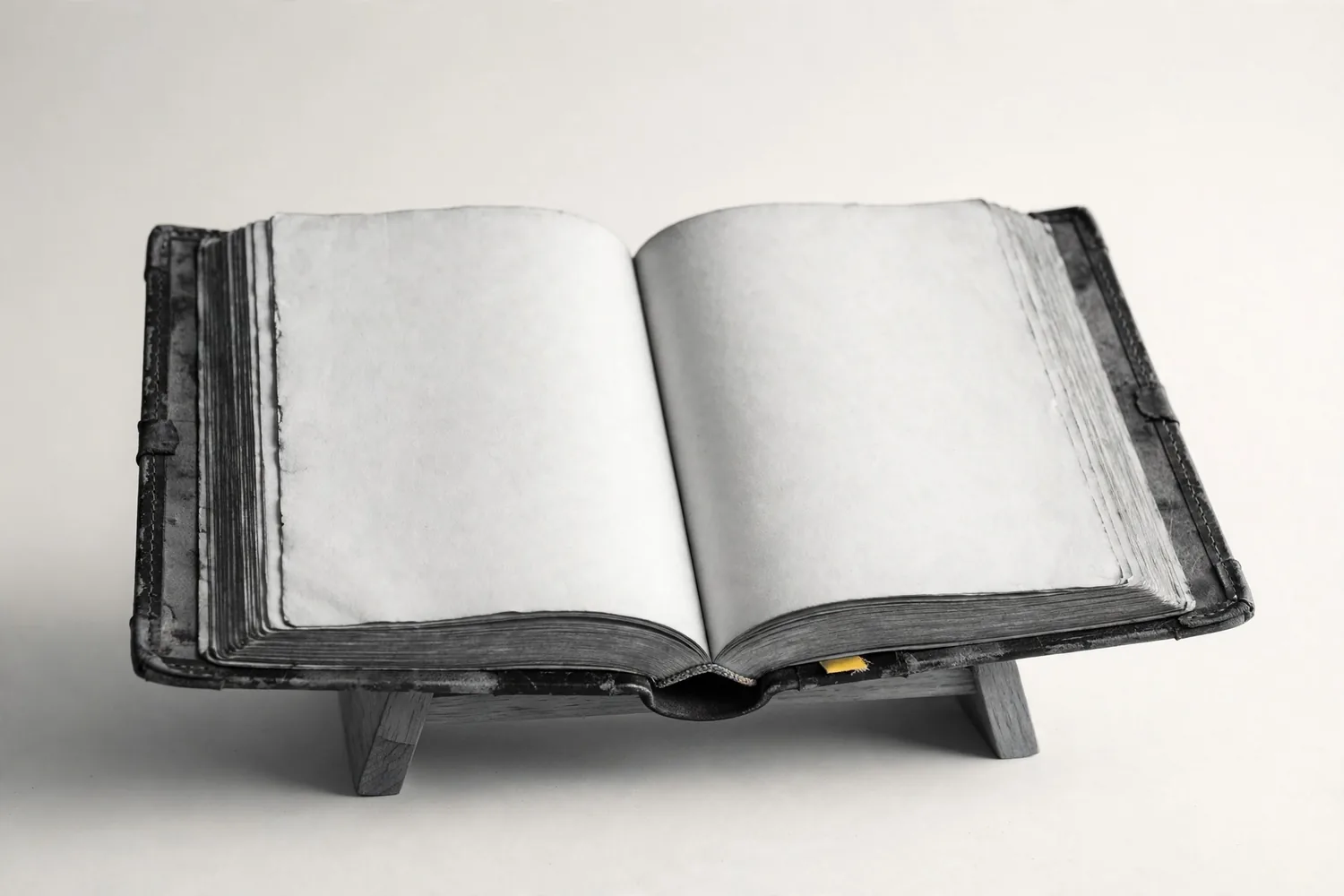
An open ledger on a book cradle

What the law says

Ley 962 de 2005, article 28, says a merchant keeps its books and business papers for ten years from the date of the last entry, document or voucher, on paper or in any technical, magnetic or electronic medium that guarantees exact reproduction. The same term applies to non-merchants who are legally obliged to keep this information.

For invoices, contracts and minutes the app shows that date as a reference: the last year of the papers plus ten years. Personnel files, clinical records, school records and public archives follow other rules.

The reference is not legal advice. Whether a scanned copy replaces the paper, and when originals may be destroyed, is for you to decide with your accountant or lawyer. The batch asks for the paper back or says you will decide later; the app does not offer destroying originals.

Source: Ley 962 de 2005, article 28 – read it

Source: Ley 527 de 1999 (data messages and electronic documents) – read it

Source: Ley 594 de 2000 (general archives law) – read it

Keep-until reference
Kind of documentReference in the planner
Invoices and receiptsLast year of the papers + 10 years
Accounting vouchersLast year of the papers + 10 years
ContractsLast year of the papers + 10 years
MinutesLast year of the papers + 10 years
Letters and correspondenceLast year of the papers + 10 years
Personnel filesOther rules apply
Clinical recordsOther rules apply
Student recordsOther rules apply
Plans and drawingsOther rules apply
Family documentsOther rules apply
Other papersOther rules apply

Plan your batch

List the paper, mark its state and send the batch to ZYBERIQ. It is a request, not an order.